|
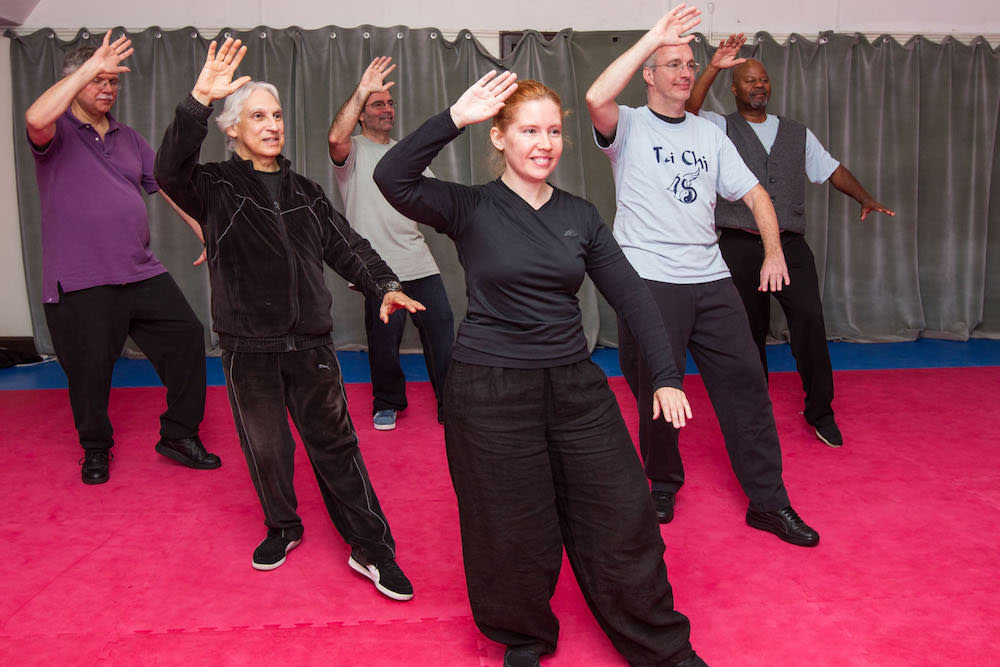
Many are now aware that the ancient Chinese art of Tai Chi is a
wonderful health exercise, especially beneficial in reducing
stress and increasing relaxation.
Tai Chi students will point out how they have become more calm
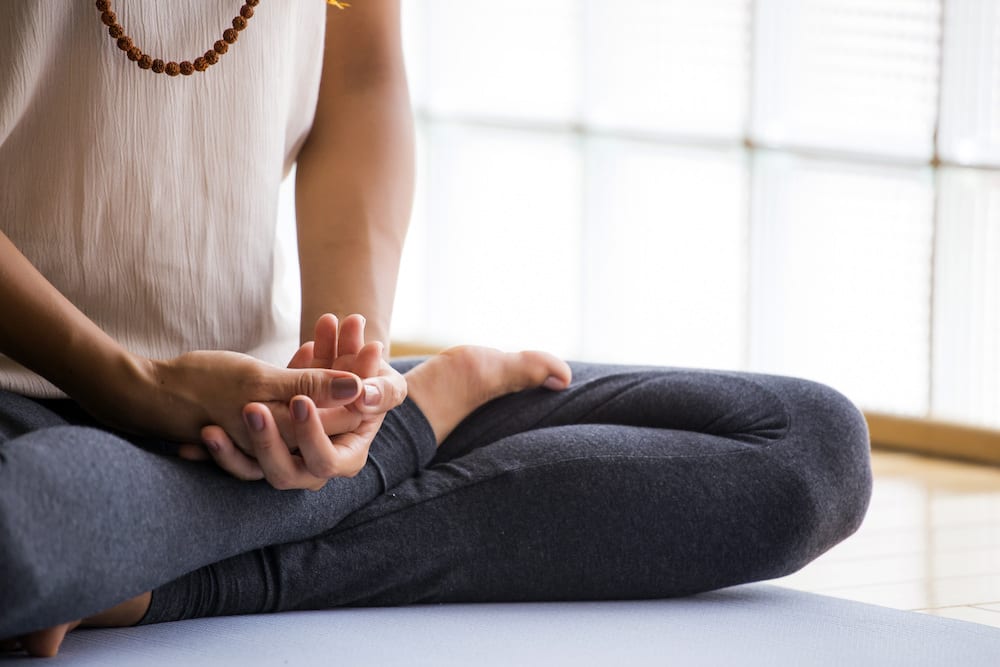
and centered sing simple and easy breathing techniques,
meditation, and gentle stretching and toning exercises.
These benefits and more, such as increased circulation, improved
flexibility, increased energy, strength and stamina, better
coordination, balance, concentration, focus and even improved
memory, are the usual outcomes of correct and appropriate
instruction. Still, many are unaware of how effective Tai Chi can
be as a form of rehabilitation or therapy.
Since Tai Chi has existed for hundreds of years, this art has
certainly undergone the test of time and has been shown to
provide these many benefits safely.
One of the priorities of rehabilitation or therapy is to return
the individual to full normal function, if possible. If it is not
possible to do so, then the goal is to attain the highest level
of function that is possible, within certain limits (i.e.,
individuals personal goals, etc.).
The qualified Tai Chi instructor will carefully evaluate the
potential of the student, taking into consideration any special
needs or circumstances (such as age, physical conditioning,
illness, surgery, etc.). The instructor will then help the
student to gradually and safely reach their potential. This will
require constant monitoring and adjustment of the instruction
based upon the student's response to the exercises. Certainly,
this can best be accomplished through individualized instruction
rather than in a large group class, as Tai Chi is frequently
taught.
A major error that may occur is the belief of many Tai Chi
instructors that teaching Tai Chi in a traditional approach is
the only way to share this art. These instructors will
incorrectly attempt to have any student perform the Tai Chi
movements in an exact manner and without any modification. This
is not only ignorant, but dangerous for many people.
Although most Tai Chi instructors will not necessarily have an
extensive background in anatomy, physiology, kinesiology or
therapeutic exercise, if the instructor has a solid foundation in
Tai Chi principles gained through study with a qualified teacher
and then graduation from a formal teaching apprenticeship
program, the instructor will be able to teach Tai Chi effectively
to a diverse population while adjusting the teaching as
necessary. Of course, any additional training in health related
fields is preferable when dealing with individuals who have
special needs.
Tai Chi itself teaches the "correct" or
"natural" way of using the body.
This implies proper alignment, muscle tone and appropriate use of
strength and flexibility to perform each movement without
creating superfluous or even dangerous stresses at the joints or
otherwise straining the body. Therefore, without actually knowing
specific conditions, a Tai Chi instructor will note any area that
requires attention and respond to the students feedback regarding
their feelings during the performance of the Tai Chi movements.
Proper alignment and quality of movement during the execution of
Tai Chi, within the capabilities of the student, will assist in
correcting many existing problems, prevent possible exacerbation
of a condition or allow the student to maximize his potential.
An additional advantage in using Tai Chi to assist in
rehabilitation or therapy is the possible increase in patient
compliance that may occur.
Therapists are well aware of the difficulty in having their
patients continue their exercises on their own. A major cause of
this problem is the patient's perception of exercise as:
a) Uncomfortable
b) Difficult to perform or remember
c) Boring
d) Time consuming
Tai Chi movements are beautiful, graceful, relaxing and fun.
Patients enjoy doing these movements and actually look forward to
performing them on a regular basis. Therefore, compliance is
usually very high leading to excellent results in rehabilitation.
Enjoy Tai Chi as a recreational activity or as rehabilitation or
therapy. Either way, you'll experience wonderful development on
many levels.
Please Note:
This article is not meant to imply
that anyone should substitute Tai Chi exercises for any
traditional course of physical therapy. Discuss Tai Chi
as an alternative with your doctor or physical therapist
before beginning a Tai Chi program. |
All Contents Copyright © 1998 - 2004
The Tai Chi School of Westchester (established 1978)
|
|